In today’s fast-paced world filled with high-tech appliances and sleek modern kitchens, it’s easy to forget the beauty of simpler times. But as conversations around sustainability and wellness grow louder, many of us are starting to look backward for better ways to live forward. One such practice making a refreshing return is traditional water storage. Beyond just being environmentally friendly, these age-old methods hold centuries of wisdom — and a surprising amount of modern relevance.
Why Old-School Still Works
Not long ago, water wasn’t pumped through pipelines or cooled in refrigerators. Instead, people relied on natural cooling and smart design to keep water fresh, clean, and drinkable — even during scorching summers. And it worked. In fact, it worked so well that many of these time-tested techniques are still in use today, especially in rural areas where tradition holds firm.
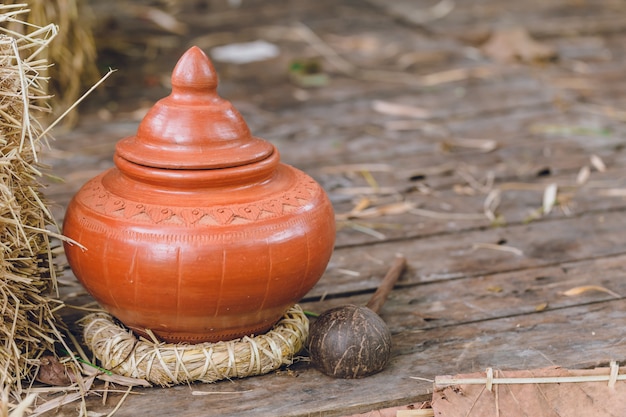
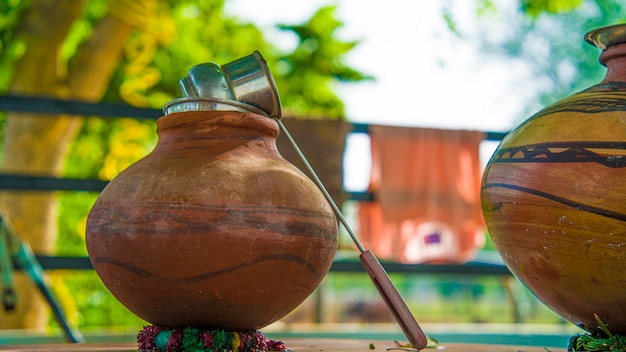
One of the most beloved among them is the earthen water pot. If you’ve ever taken a sip from one, you’ll instantly understand why it’s still cherished. The naturally porous surface of the pot allows water to evaporate slightly, which in turn cools it down without any electricity or chemicals. It’s not just about temperature either — the water from these pots often has a clean, almost sweet taste that plastic or metal containers just can’t replicate.
Embracing Simplicity in a Complex World
Imagine walking into a home and seeing a beautifully shaped clay vessel sitting proudly on a stand or tucked into a cool corner. It’s not just décor — it’s function wrapped in tradition. When you use an earthen water pot at home, you’re doing more than storing water. You’re slowing down. You’re connecting with practices that served your ancestors for generations. And most importantly, you’re making a small but meaningful shift toward a more natural lifestyle.
These pots are often handmade by local artisans using eco-friendly methods and locally sourced materials. That means you’re not only reducing your carbon footprint but also supporting communities that have been preserving these crafts for centuries. Each pot carries a story, a fingerprint, a touch of the earth itself — and that adds something special to even the simplest glass of water.
Other Traditional Techniques
While clay pots are perhaps the most iconic, they are just one part of a broader ecosystem of traditional water storage methods. In desert communities, for instance, underground tanks called tanka were built to collect and store rainwater. In other regions, large copper vessels were commonly used, thanks to copper’s natural antimicrobial properties. In parts of South India, people still use brass and silver urns to keep water not only cool but also energized, according to Ayurvedic beliefs.
Each technique was born from a deep understanding of the local climate, available resources, and daily needs. What ties them all together is an emphasis on purity, sustainability, and health. They didn’t require apps or alerts — just discipline and respect for nature’s timing.
Small Changes, Lasting Impact
Bringing back traditional methods doesn’t mean giving up modern conveniences entirely. It’s about finding a balance. Maybe it starts with placing an earthen water pot in your kitchen, alongside your modern water purifier. Maybe it’s encouraging your kids to fill their glasses from the clay pot and telling them why it matters. These little shifts don’t just improve hydration — they create awareness and invite mindfulness.
You’ll notice the difference, too. Not just in taste, but in the way you approach water altogether. You start to value it more. You waste less. You remember to refill the pot before bed, much like how your grandparents probably did. It becomes a ritual, one that slows the day just enough for you to feel grounded.
Reconnecting With What Matters
In a world that’s constantly changing, there’s something incredibly grounding about returning to the roots. Traditional water storage isn’t just about technique — it’s about intention. It’s about caring for your body, your home, and your planet in one simple act. The use of the earthen water pot is just one example of how the past quietly whispers wisdom that’s still relevant today.
More people are beginning to see that. From eco-conscious urban families to design enthusiasts looking to add rustic charm, the clay pot is making a comeback — not as a relic, but as a symbol of living well with less.
Conclusion
As we rush toward smarter cities and faster everything, there’s a quiet movement reminding us that not everything worth having needs to be new. Traditional water storage techniques are a beautiful example of how simplicity, when done right, can be revolutionary.
So maybe it’s time to dust off that old family clay pot or pick one up from a local artisan. Let it sit in your home, quietly cooling water and connecting you to something much bigger than just hydration. Because sometimes, the best way forward starts with a humble look back.